Lakewood Lead Paint Removal takes lead paint removal and lead abatement to homeowners and landlords in University Place, WA: stripping exterior siding and trim, abating interiors, replacing or restoring lead-painted windows and doors, arranging lead testing and clearance, and sealing sound paint by encapsulation. Before scoping anything, we sort out which Washington program the job falls under, abatement for lasting hazard removal or lead-safe renovation when paint is merely disturbed.
University Place grew as a family suburb in the middle of the last century, and its housing shows it. The 2020–2024 American Community Survey puts 48.4% of the city’s homes at 1979 or earlier, with the 1970s the single largest decade, so a remodel here may touch paint from right around the 1978 cutoff.
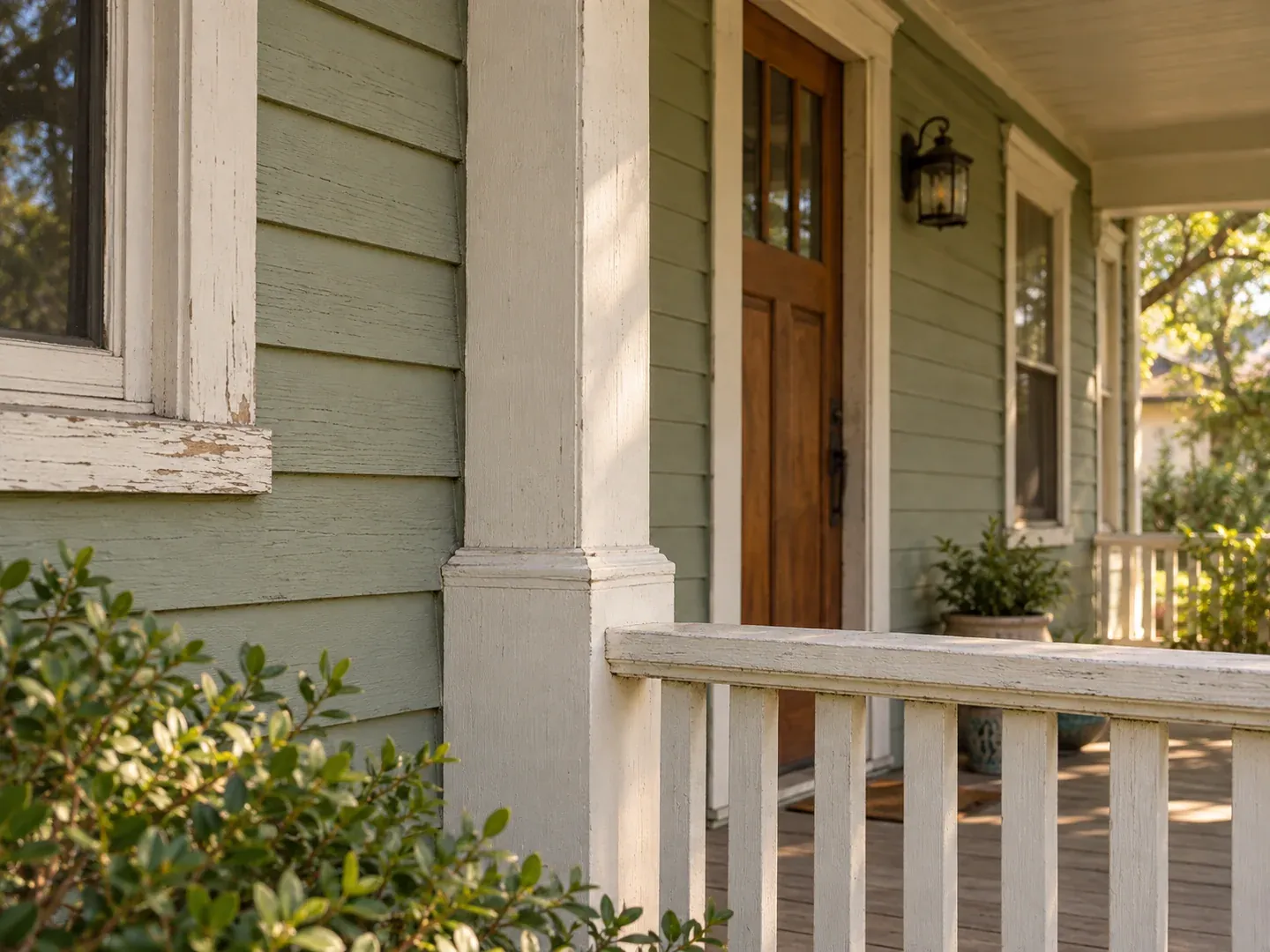
Houses from the 1950s to the 1970s may have painted wood siding, trim and eaves under several later coats. Exterior lead paint removal on these houses is about controlling chips and dust on each elevation and protecting the planting beds below. Permit rules for re-siding are covered further down this page.
Interior abatement and lead-safe renovation
Kitchen and bath remodels are a natural point to ask interior lead questions. If the aim is simply to remodel, the work follows renovation rules under Department of Commerce RRP certification. If a hazard has to be eliminated for the long term, such as after a child’s elevated blood lead result, it becomes interior lead paint abatement, with notice to Commerce and the household out until clearance.
Windows and doors
Painted trim, sills and any original sashes in houses from this era can carry old paint even where windows were replaced. Any window replacement in a pre-1978 home is covered renovation under EPA rules regardless of size. Check with the city about permits for your window job; the city’s 2019 permit handout does not address windows. Our page on lead-painted window and door replacement covers the options.
Testing and clearance
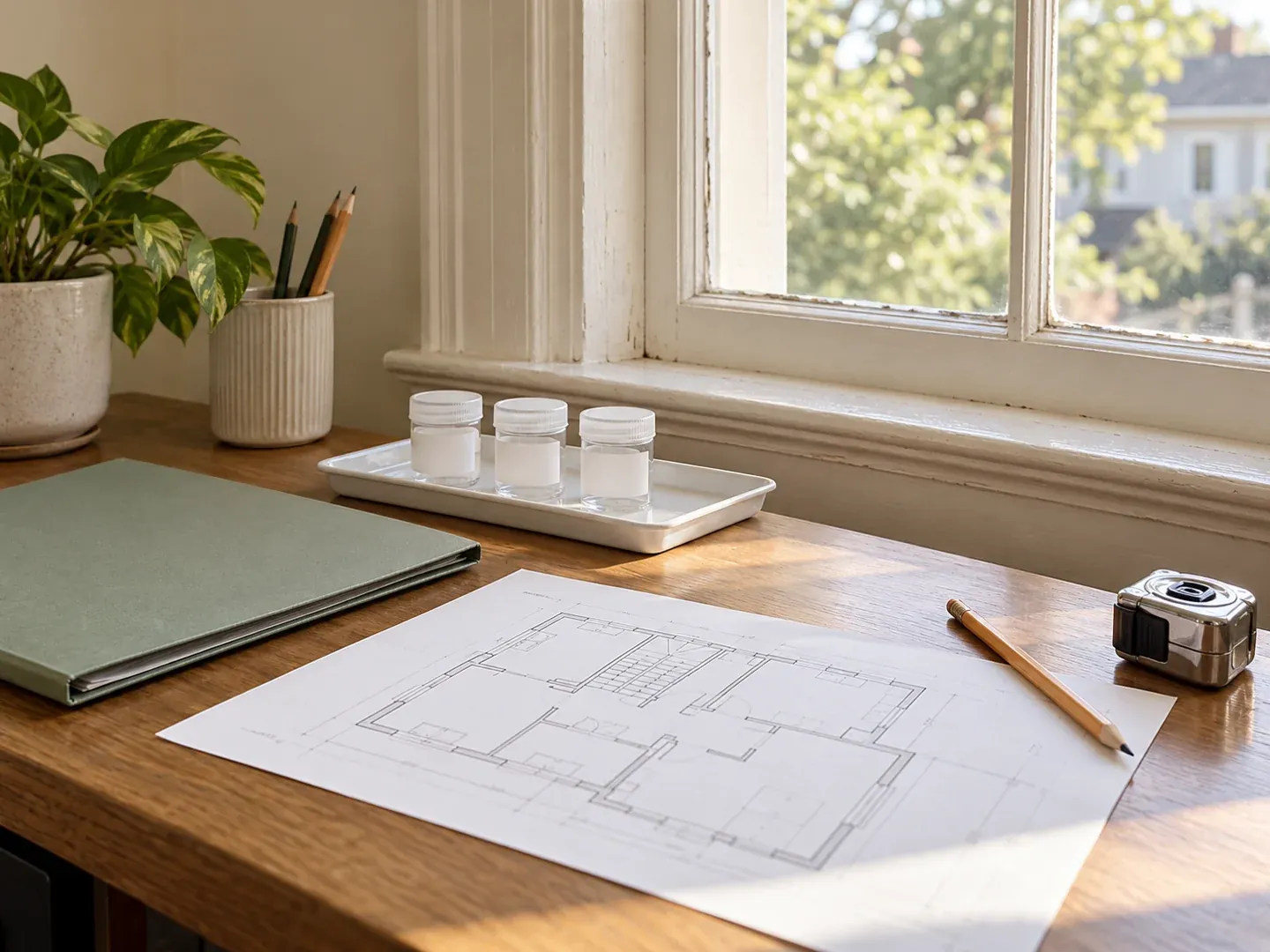
For a house built close to the 1978 cutoff, testing can settle whether a project falls under lead rules at all. A Commerce-certified inspector can document which components contain lead-based paint and which do not, and a risk assessor can look at dust and soil as well. See lead inspection and risk assessment for which report suits your situation.
Encapsulation and enclosure
Where paint is still well bonded, such as interior walls that are only being repainted, sealing it can make more sense than stripping. That holds only for sound surfaces away from friction. Read more about lead paint encapsulation and enclosure, including upkeep.
Planning lead work in University Place
University Place was unincorporated Pierce County until voters approved cityhood in November 1994; the city incorporated on August 31, 1995. The name goes back to the 1890s, when the land was set aside for Puget Sound University. In the mid-1900s, the city’s history page says, thousands of couples settled there to raise families, and the population roughly doubled between 1970 and 1990, from about 13,000 to about 27,700.
For lead planning, that history means a largely suburban, mid-century housing stock stretching from the Tacoma city line to the Puget Sound shoreline around Chambers Bay. About 26% of homes date from before 1970 and another 22% from the 1970s, according to ACS estimates, while only about 18% were built in 2000 or later. Housing built in 1978 or later is outside the federal RRP rule, so the construction year is the first thing to pin down.
Permits for re-siding and roofing
The City of University Place permit handout (updated April 2019) says re-siding needs a building permit when the sheathing is removed down to the bare studs, and re-roofing needs one too, while painting, papering and similar finish work are exempt. The handout notes it may not reflect current code, so confirm with the city’s Development Services before a large exterior job.
Soil near older homes
University Place is one of the communities the Tacoma-Pierce County Health Department lists as most affected by Tacoma Smelter fallout, which left arsenic and lead in surface soil. That is a soil question, not a paint one, and the health department handles soil testing. During exterior paint work it is one more reason to keep every chip on the plastic and off the ground.
Removal, abatement or sealing: choosing for a 1970s house
Houses finished in the late 1970s sit right at the 1978 cutoff, and some of them may not contain lead paint at all. A component-by-component inspection answers that before anyone budgets for containment, and its report can document lead-free surfaces so later projects skip lead-safe work practices on those components.
Where lead is confirmed, the decision can turn on condition and use. Peeling exterior trim and worn stair treads call for removal or replacement; tight, intact paint on interior walls is a candidate for encapsulation or enclosure; and a household with a young child and dust hazards may need full abatement with clearance. Weather matters for exterior work here as anywhere on the South Sound, with the drier summer months the practical window.
Renters occupy about 5,900 of the city’s roughly 13,700 occupied homes, or 42.8%, according to the same ACS estimates. For an owner of a pre-1978 rental house or small apartment building, lead paint shows up in two places: the work itself and the lease paperwork.
On the work side, repainting or repairs that disturb old paint in a rental fall under Washington’s RRP certification, which Commerce says covers landlords and property managers as well as contractors. The owner exemption in Washington’s rules ends once anyone other than the owner’s immediate family occupies the home. On the paperwork side, a new lease for a pre-1978 unit comes with the EPA lead pamphlet, a Lead Warning Statement and any lead reports the owner holds. A clearance report from turnover work between tenants is worth keeping for exactly that reason.
Do University Place homes from the 1960s and 70s have lead paint?
They may. Lead-based paint was banned for housing in 1978, so homes from those decades were built while it was still sold, but age alone cannot tell you whether a particular house has it. A lead inspection identifies which painted components contain lead and which do not.
Is the Tacoma Smelter plume the same as lead paint?
No. The smelter plume is arsenic and lead in soil, deposited by decades of air pollution from the former ASARCO smelter. Lead paint is on the house itself. The Tacoma-Pierce County Health Department handles soil questions and can tell you whether your address qualifies for free soil testing; paint work is a separate project.
Who certifies lead contractors for University Place projects?
The Washington State Department of Commerce. It certifies abatement firms and workers, inspectors and risk assessors, and the renovation firms that disturb paint under the RRP program. Contractors certified only by EPA must register with Commerce before working in Washington.
What should I ask for when buying an older University Place home?
Ask the seller for any lead inspection, risk assessment or clearance reports, which federal rules require them to share for pre-1978 homes. You also have a 10-day window to arrange your own inspection or risk assessment unless the contract waives it in writing.
Steilacoom, the old town on the Sound just west of Lakewood, has a page of its own: lead paint removal in Steilacoom explains how historic district review fits around lead work.
Your next step
Request lead paint removal in University Place
Planning exterior painting, a remodel or a lead test in University Place? Give us the address and building year, plus any lead report or concern about young children living there. We'll get back to you soon with an estimate or any questions we have. Estimates are free and there's no obligation.