Lakewood / WA

Lead Hazard Control for Rental Properties in Lakewood, WA

Lakewood Lead Paint Removal works with landlords and property managers on rental property lead paint in Lakewood, WA: turnover repainting, repairs in occupied units, shared stairwells and the records that go with them. Renters occupy just over half of Lakewood’s homes, and nearly 59% of the city’s housing units were built in 1979 or earlier. This page explains the work and the rules, not legal advice.

We help owners of single houses, duplexes and small apartment buildings plan rental lead work across Lakewood and in the nearby communities of University Place and Steilacoom.

Ask about a rental property
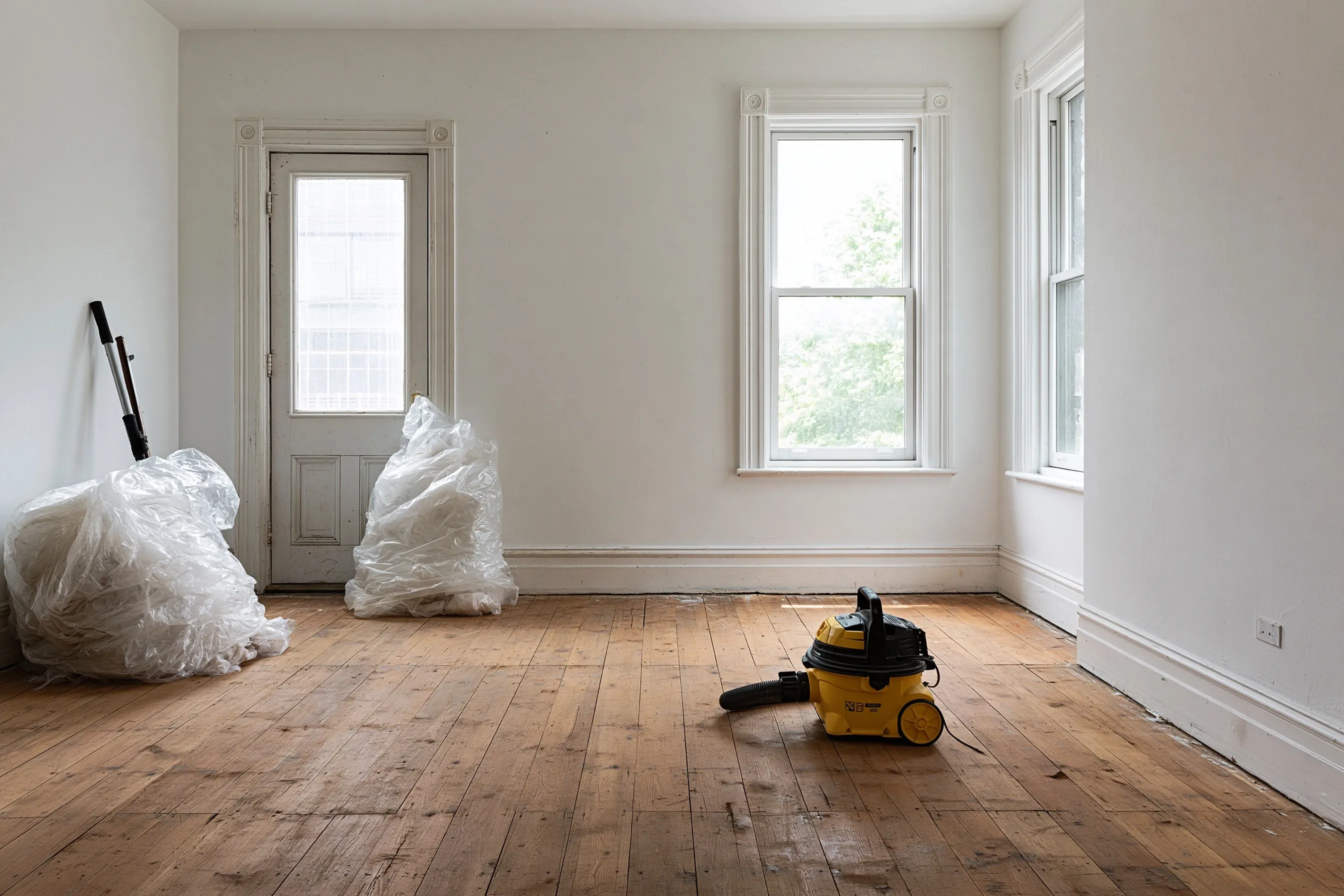
Clean empty room after renovation: bare wood floor, bagged plastic sheeting and a shop vacuum

Rental lead work by situation

Unit turnover and vacancy work

The gap between tenants is the best time to deal with deteriorated paint. An empty unit can be repainted under RRP practices, or, if the aim is long-term hazard elimination, abated room by room and cleared before the next lease is signed. Clearance results from a vacant unit also give you a clean record to share at leasing.

Repairs in occupied units

Small jobs with tenants at home, such as a sticking window, a damaged wall or a bathroom repair, are renovation under RRP once they disturb more than 6 square feet of paint per room inside, or 20 square feet outside, the federal minor-repair limits. EPA says RRP firms are not required to move occupants out, but people should not be in the work area, so the work zone is sealed and cleaned before tenants use the room again.

Common areas in small multifamily buildings

Hallways, stairwells and entry doors in older apartment buildings see constant traffic. Paint problems there affect every household, and federal disclosure rules treat building-wide evaluations of common areas as information to share with tenants. Planning common-area work in sections keeps exits usable throughout.

Federally assisted units

If a pre-1978 unit receives federal housing assistance, HUD’s Lead Safe Housing Rule adds requirements beyond RRP, and they vary with the type of assistance. Check with the housing authority or program administrator for the unit before scoping work, so the evaluation and clearance match what the program expects.

Washington certification for landlords and managers

In Washington, anyone performing renovation, repair or painting on pre-1978 homes for compensation needs Department of Commerce certification, and Commerce says its firm certification covers businesses, property managers and landlords. Owners or maintenance staff certified by EPA or another state must also file for Washington registration.

Commerce also notes that landlords may not need every requirement and invites them to contact the program. If your staff handle routine maintenance, check with Commerce directly before deciding what they can do in-house.

Disclosure records and reports

At each new lease of a pre-1978 unit, the tenant receives the EPA pamphlet Protect Your Family From Lead in Your Home, the lease includes a Lead Warning Statement, and you disclose what you know about lead paint, hazards and reports in the unit or building. Keep the signed records for three years. Short leases of 100 days or less are exempt.

Every inspection, risk assessment and clearance report becomes part of what you disclose to future tenants, so keep them organized by unit and date.

Rental owners can start with a lead inspection and risk assessment across units, and vacant units are good candidates for interior lead paint abatement.

Your next step

Discuss a rental property lead project

Share the property address, when it was built, the number of units and whether they are occupied or between tenants. Mention any lead reports on file and whether the units receive federal housing assistance. We'll get back to you soon with an estimate or any questions we have. Estimates are free and there's no obligation.

Call (253) 201-4715

Call (253) 201-4715