Lakewood / WA

Lead Paint Encapsulation and Enclosure in Lakewood, WA

Lakewood Lead Paint Removal seals lead paint in place through encapsulation and enclosure for Lakewood, WA homes where stripping would be costly or would harm the material underneath. An encapsulant is a specialty coating engineered to bond with old paint and hold it behind a tough film; an enclosure is a rigid layer, such as drywall, paneling or siding, fastened over the surface. A regular coat of house paint is neither.

Since the lead stays in the wall, these treatments demand sound surfaces and regular checks afterward. Homes in Lakewood, University Place and Steilacoom can all be assessed for whether sealing makes sense.

Ask about encapsulation or enclosure
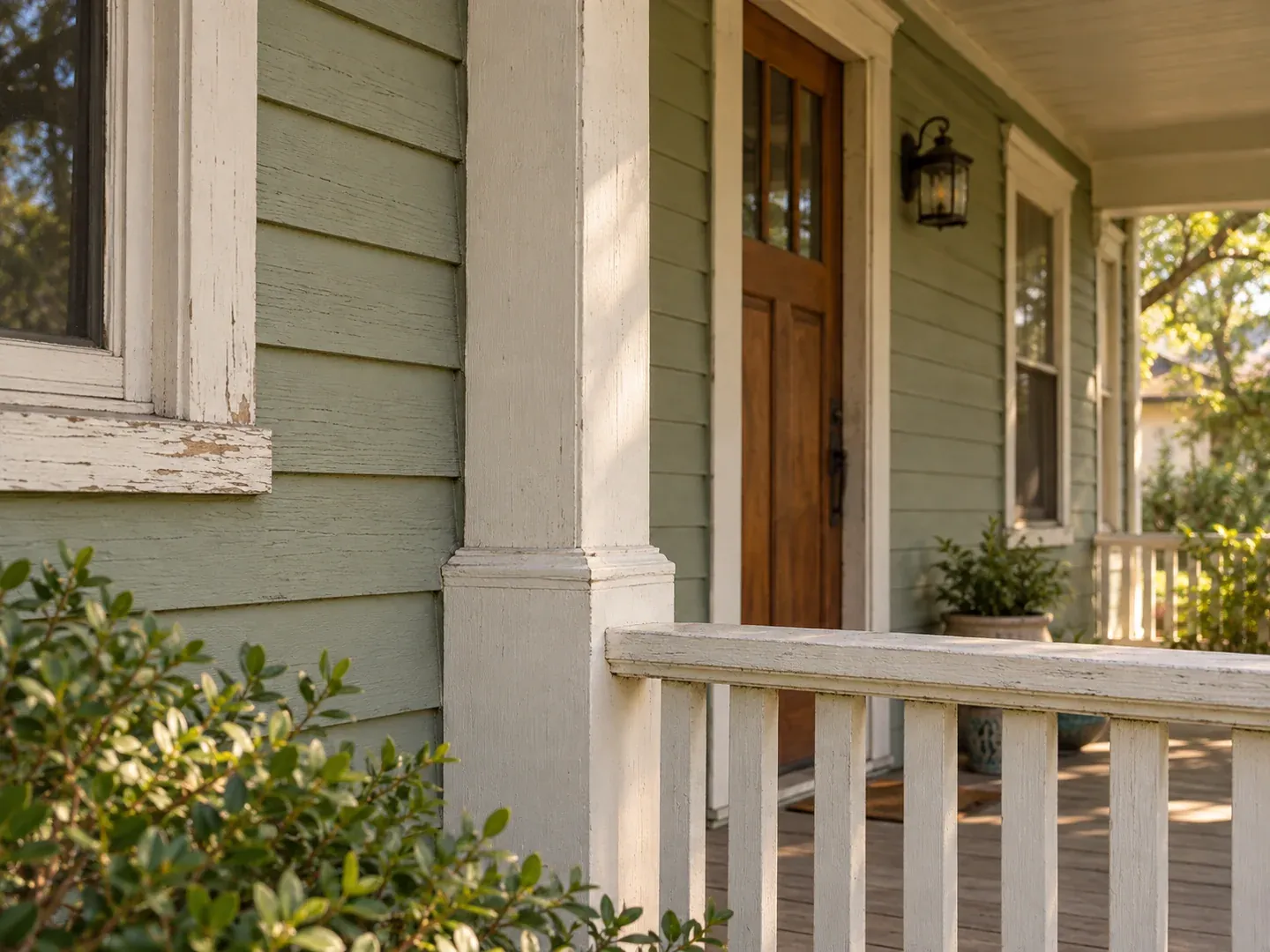
Painted lap siding, a porch post and railing beside a wood front door, with worn paint on a window sill

Barrier treatment options

Encapsulant coatings on sound paint

An encapsulant is only as good as the paint beneath it. HUD’s guidelines call for testing adhesion first, because a heavy coating on top of loose or peeling paint will pull away and take the lead with it. Flat walls and ceilings with well-bonded paint suit it best; flaking areas are stabilized or removed before anything is applied.

Enclosure with durable materials

Enclosure covers the painted surface with something mechanically attached: new drywall over a plaster wall, paneling on a stairwell, or new siding over old painted boards outside. Seams are sealed so dust cannot escape. It suits large areas in poor but stable condition. Lakewood’s permit handout lists siding among projects that need a building permit.

Surfaces that are poor candidates

Anything that rubs, bangs or gets walked on wears through a coating quickly: window sashes and jambs, door edges, stair treads and porch floors. Those surfaces need paint removal or component replacement instead, which is where our window and door work comes in.

Exterior encapsulation

Outside, an encapsulant has to cope with the long wet season and summer sun. It is best suited to sound siding and trim that will be repainted on a regular cycle, and any later scraping or sanding for repainting must avoid breaking through the barrier. Inspect it each year and touch up cracks before water gets behind the coating.

Keeping a barrier treatment intact

Because the lead remains, an encapsulated or enclosed surface needs watching. Check it at least once a year and after any leak or impact, and repair damage promptly.

Future work matters too. Cutting into an enclosed wall or sanding an encapsulated surface later disturbs the lead paint underneath, so that job falls under the RRP rules. Commerce describes abatement as lasting more than 20 years; a barrier installed as abatement by a Commerce-certified firm is meant to meet that, whereas a coating applied during ordinary repainting is not. Keep a record of what was covered and where, since known lead paint must be disclosed when you sell or lease.

Encapsulation can sit beside exterior lead paint removal on the same house, while friction surfaces are better handled through lead-painted window and door replacement.

Your next step

Discuss encapsulation or enclosure

Tell us the address, roughly when the house was built and which walls, ceilings or exterior surfaces you are considering. Note the condition of the paint and any lead test results you have. We'll get back to you soon with an estimate or any questions we have. Estimates are free and there's no obligation.

Call (253) 201-4715

Call (253) 201-4715